Choosing new windows involves more than selecting a colour and glazing option. The way an opening sash sits within the outer frame has a noticeable effect on the character of the window and, in turn, the appearance of your home. This is one of the main differences between flush and non flush windows.
Both designs can offer modern security, thermal efficiency and weather protection. The right option depends on your property, your preferred style and the details you want to retain or introduce.
What Are Flush Windows?
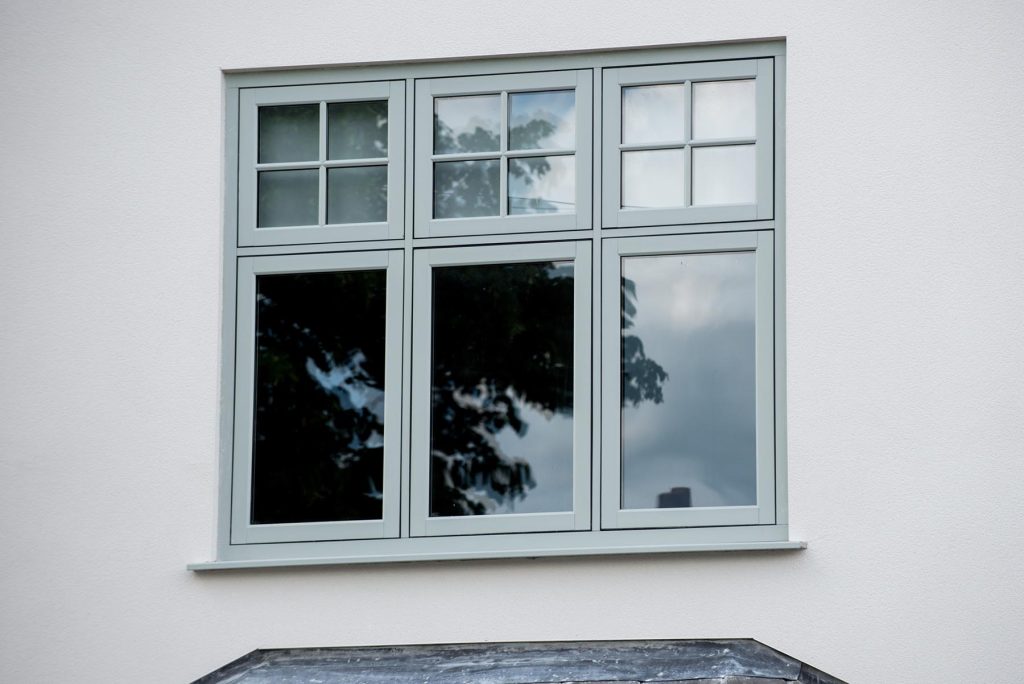
On a flush window, the opening sash sits level with the surrounding frame when closed. This creates a smooth external surface with clean, balanced lines.
Flush windows are often chosen for cottages, period properties and homes where traditional character matters. Their simple appearance can recreate the proportions associated with classic timber casement windows, while modern uPVC systems offer practical benefits such as low maintenance requirements.
This design is not limited to older buildings. Flush frames can also suit contemporary homes, particularly when combined with understated colours, large areas of glass and simple hardware. The result is a neat appearance that does not place too much visual emphasis on the frame.
Heritage systems provide a good example of how traditional detailing can be combined with current window technology. The [heritage windows in Shrewsbury](https://www.matthewsandpeart.co.uk/windows/heritage-windows-shrewsbury/) described by Matthews and Peart include Residence 9 windows. This system has a 100 mm frame depth and a nine chamber profile. It can accommodate 28 mm double glazing or 44 mm triple glazing, with U values as low as 0.7 watts per square metre kelvin, depending on the chosen specification.
What Are Non Flush Windows?
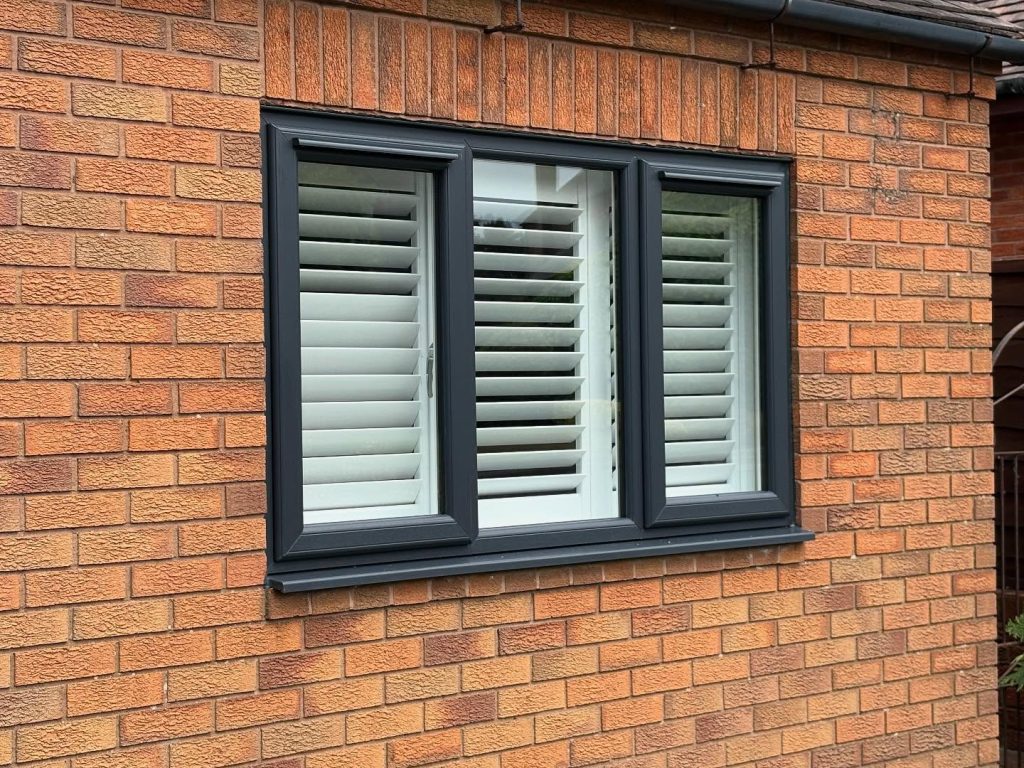
Non flush windows are commonly known as stormproof or lipped casement windows. When closed, the opening sash sits slightly forward from the outer frame. This creates a visible step around each opening section.
The raised sash gives the window more definition. It can work well on many modern, suburban and traditional properties, especially where the existing windows already have this profile. Homeowners replacing windows throughout a house may prefer to retain these familiar proportions.
Non flush windows are widely available in numerous colours, configurations and frame materials. The more pronounced sash can also add depth to larger window openings or elevations that would benefit from stronger frame lines.
Comparing Appearance and Property Style
Flush windows generally have a restrained look. They can be suitable when you want the glazing and architectural features of the building to take greater visual focus. Woodgrain finishes, traditional handles and Georgian bars can support a period style, while darker colours can give the same frame a more contemporary character.
Non flush windows have clearer outlines around the opening sashes. This may suit properties with defined architectural details, existing stormproof frames or a more conventional window style.
Neither choice is restricted to one type of home. Looking at the brickwork, roofline, doors and neighbouring properties can help you decide which profile feels most appropriate.
Thermal Efficiency and Security
The position of the sash does not determine performance on its own. The number of chambers within the profile, glazing specification, seals, hardware and quality of installation all contribute to thermal efficiency, security and weather resistance.
A high quality non flush system may perform differently from a heritage flush system, so it is important to compare complete specifications rather than judging the frame by appearance alone. Ask about U values, glazing options, ventilation and locking systems before making your decision.
Maintenance and Practical Details
Modern uPVC flush and non flush windows are generally easy to care for. Routine cleaning and occasional checks of the hinges, seals and drainage channels will help keep either style working properly.
The available opening arrangements may vary between systems. Consider how each window will be used, particularly in kitchens, bathrooms and upper floor rooms where ventilation, access and cleaning are important.
If your home is listed or located within a conservation area, check whether consent is required before changing its windows. Frame proportions, glazing bars, colours and sightlines may all be considered.
Choosing a Suitable Window Style
Flush windows may appeal if you favour level sightlines and traditional timber inspired detailing. Non flush windows may be more suitable if you prefer a defined sash or want to reflect the existing style of your property.
At Matthews & Peart, we can discuss the appearance, glazing and practical requirements of your project without treating one design as the right answer for every home. Get in touch to learn more about your options or get a quote for your new windows!